
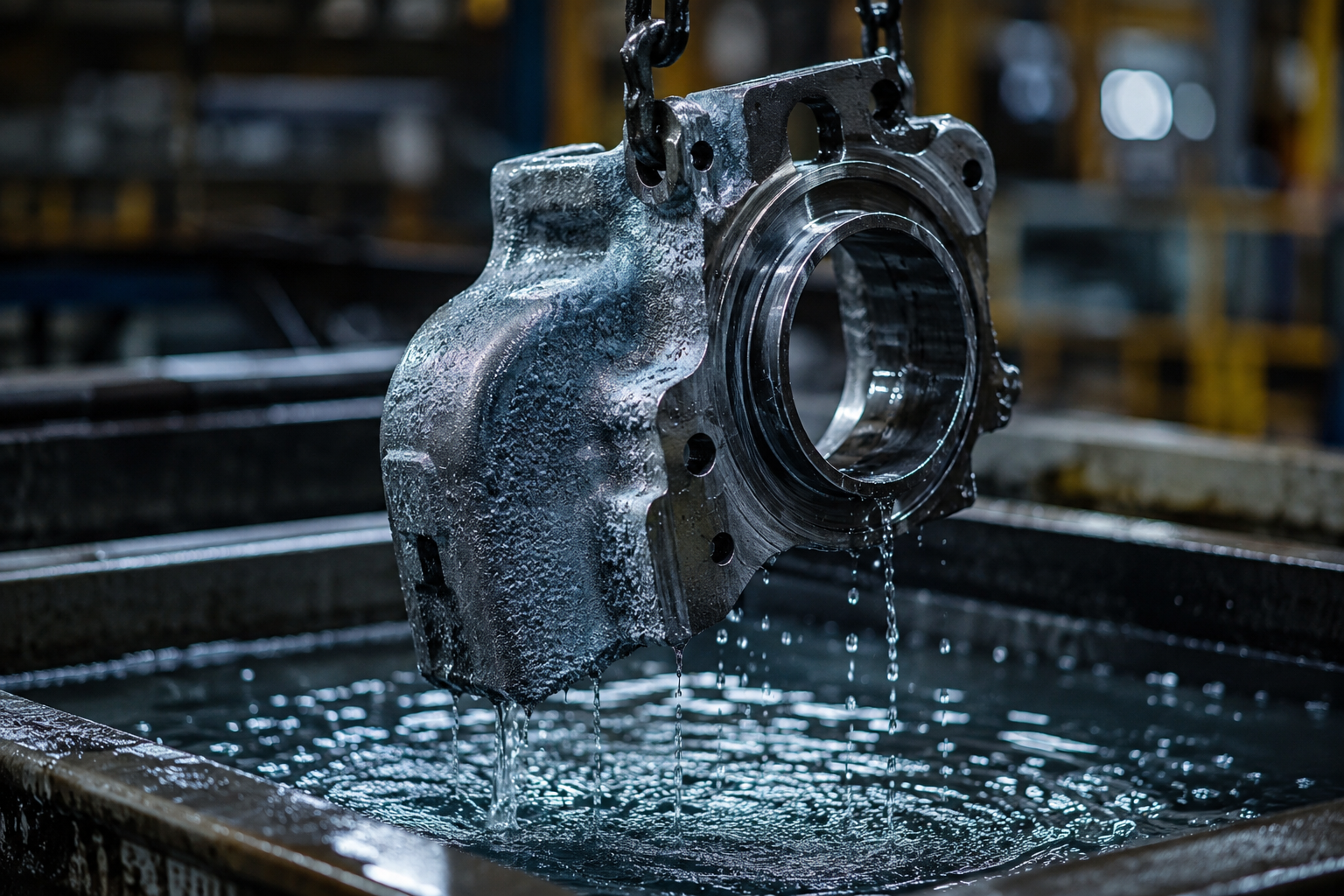
Metal finishing plays a crucial role in improving the durability, appearance, and performance of metal products. Among the most common finishing processes are anodizing and electroplating.
Although both processes enhance metal surfaces, they work in completely different ways and serve different purposes.
If you’re wondering which process is right for your application, this guide explains the key differences between anodizing and electroplating.
What Is Anodizing?
Anodizing is an electrochemical process that increases the natural oxide layer on the surface of a metal.
The process is most commonly used on aluminum and its alloys.
During anodizing, the metal becomes the anode in an electrolytic bath, creating a thick and durable oxide coating.
What Is Electroplating?
Electroplating is a process that uses electrical current to deposit a thin layer of one metal onto another metal surface.
The coating metal can include:
- Nickel
- Zinc
- Copper
- Gold
- Silver
- Chrome
Electroplating is commonly used to improve corrosion resistance, appearance, and conductivity.
How Does Anodizing Work?
The anodizing process involves:
1. Cleaning the Metal Surface
The metal is cleaned to remove dirt, oil, and contaminants.
2. Immersion in Electrolyte Solution
The aluminum is placed in an acid electrolyte bath.
3. Electrical Current Application
Current passes through the solution, creating a thick oxide layer on the surface.
4. Sealing
The coating is sealed to improve durability and corrosion resistance.
How Does Electroplating Work?
Electroplating follows a different approach.
1. Surface Preparation
The metal surface is cleaned thoroughly.
2. Chemical Treatment
The surface is prepared using plating chemicals.
3. Metal Deposition
Electric current deposits metal ions onto the workpiece.
4. Finishing
The plated component is inspected and polished
What Are the Main Differences Between Anodizing and Electroplating?
Feature
Anodizing
Electroplating
Base Material
Mostly Aluminum
Various Metals
Coating Type
Oxide Layer
Metal Layer
Corrosion Resistance
Excellent
Excellent
Decorative Finish
Good
Excellent
Conductivity
Reduced
Improved
Wear Resistance
High
High
Color Options
Limited
Wide Range
Which Process Offers Better Corrosion Resistance?
Both anodizing and electroplating provide excellent corrosion protection.
However:
- Anodized aluminum performs exceptionally well in outdoor environments.
- Electroplated coatings offer better protection for steel and iron components.
The best choice depends on the base material and operating conditions.
Which Process Is Better for Appearance?
Electroplating generally offers more decorative possibilities.
Popular finishes include:
- Gold plating
- Silver plating
- Chrome plating
- Nickel plating
Anodizing also provides attractive finishes but is mainly limited to aluminum products.
Which Industries Use Anodizing?
Anodizing is commonly used in:
Aerospace Industry
Aircraft components require lightweight and corrosion-resistant materials.
Construction Industry
Aluminum doors, windows, and architectural components often use anodized finishes.
Electronics Industry
Electronic housings and consumer products frequently use anodized aluminum.
Which Industries Use Phosphating?
Phosphating is widely used across various industries.
Automotive Industry
Vehicle components often undergo phosphating before painting.
Construction Industry
Structural steel and fabricated metal products benefit from phosphate coatings.
Manufacturing Industry
Many industrial products require phosphating before finishing.
Appliance Industry
Home appliances often use phosphating as part of their coating process.
Which Industries Use Electroplating?
Electroplating is widely used in:
Automotive Manufacturing
Vehicle components require durability and corrosion protection.
Jewelry Industry
Gold and silver plating improve appearance and value.
Industrial Manufacturing
Many machinery parts rely on electroplated coatings.
Electronics
Plated components improve conductivity and performance
How Do You Choose Between Anodizing and Electroplating?
Several factors influence the decision:
Material Type
Aluminum products often benefit from anodizing.
Steel, copper, and other metals are typically electroplated.
Performance Requirements
Consider:
- Corrosion resistance
- Appearance
- Conductivity
- Durability
Industry Standards
Some industries have specific finishing requirements based on regulations and performance standards.
What Are the Advantages of Anodizing?
Key benefits include:
- Excellent corrosion resistance
- Strong surface hardness
- Long-lasting finish
- Environmentally friendly process
- Lightweight solution for aluminum products
What Are the Advantages of Electroplating?
Electroplating offers:
- Improved appearance
- Enhanced conductivity
- Increased wear resistance
- Wide range of coating options
- Compatibility with multiple metals
Final Thoughts
Both anodizing and electroplating are valuable metal finishing processes, but they serve different purposes.
Anodizing is often the preferred choice for aluminum applications requiring durability and corrosion protection. Electroplating is ideal when decorative finishes, conductivity, or specialized metal coatings are required.
Understanding the differences between these processes helps manufacturers select the most suitable solution for their products and industry requirements
Comments are closed